
 TurboFunding.com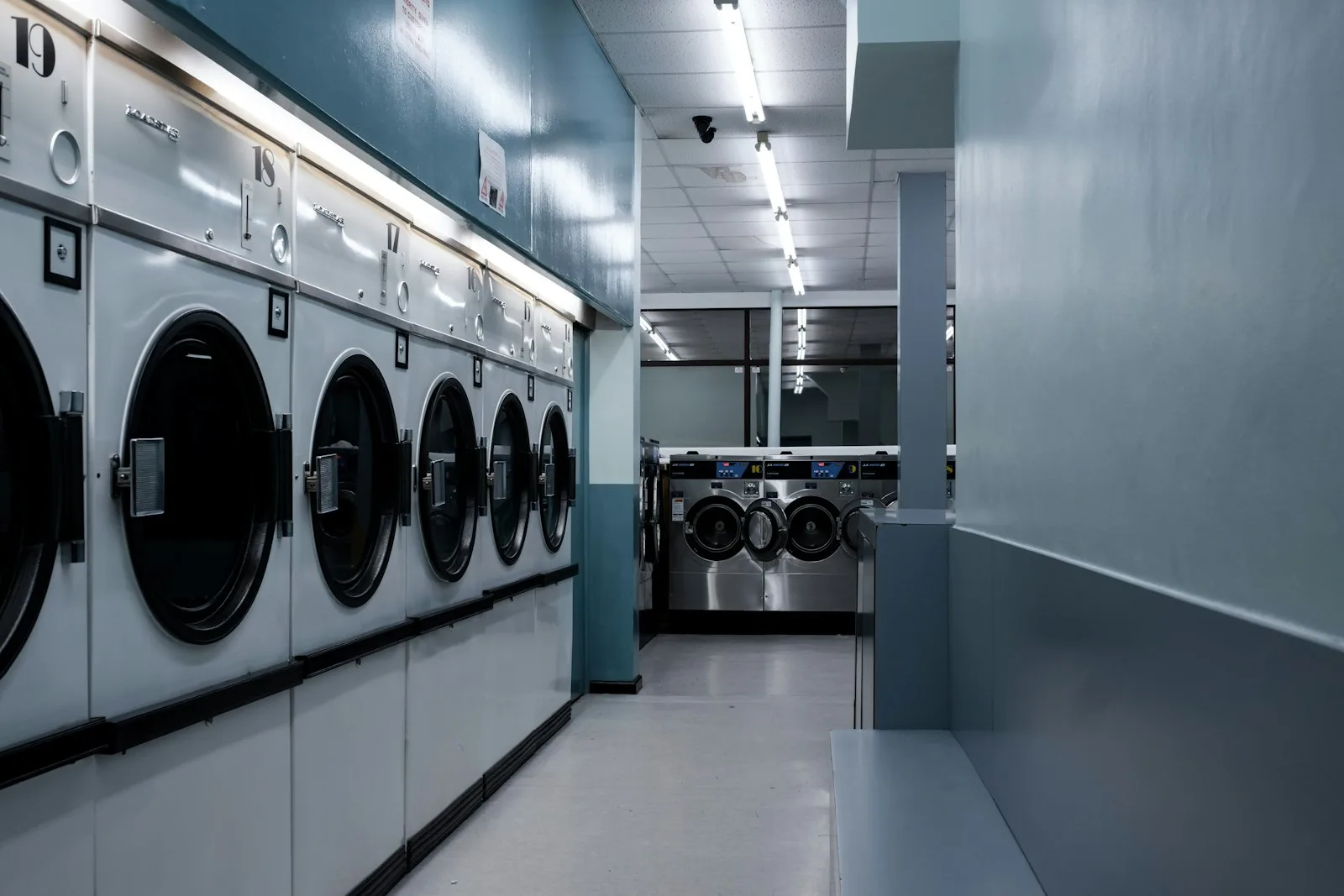
Laundromats and dry cleaners are some of the most durable small businesses in the country. The equipment lasts decades, the demand is recession-resistant, and a well-run shop in the right neighborhood throws off steady cash month after month. The catch is that almost everything you spend money on is expensive up front. A single washer-extractor or dry-cleaning machine costs more than most owners have in the bank, and a full re-equip on a 20-machine laundromat can run north of $400,000.
This guide walks through how laundromat business loans and dry-cleaner financing actually get structured by people who fund these deals every week. We will cover the three categories where owners spend real money, what underwriters look at, and what changes when you own the real estate underneath the operation.
Commercial laundry equipment and why financing fits the useful life
Start with the hardware. A commercial 60-lb washer-extractor runs $15,000 to $35,000 new. A 30-lb runs $8,000 to $15,000. A tunnel washer for a high-volume route or hotel commissary starts at $200,000 and climbs from there. On the dry-cleaning side, a perc or hydrocarbon machine runs $35,000 to $80,000, and a full plant with boiler, press, and pickup setup easily clears $250,000. Dryers add another $5,000 to $12,000 each.
Equipment financing is the natural structure for almost every one of these purchases for the same reason it fits medical and dental equipment: the machine itself secures the loan. The lender takes a first lien on the equipment, prices the loan against the asset, and that collateral position translates to lower rates, small or zero down payments, and faster approvals than an unsecured term loan. Our equipment financing program funds manufacturer and distributor invoices directly, which is what most laundry equipment reps prefer.
The other reason equipment financing fits is term matching. A well-maintained commercial washer runs 15-20 years. Dryers run 10-15 years. Dry-cleaning machines run 10-12 years before a major rebuild or replacement. Equipment financing terms typically land at 5-7 years, so you are paying for the machine over a fraction of the period it is generating revenue for you. That keeps the monthly payment well under what the asset earns, which is exactly the position you want a piece of equipment to be in. For a deeper look at the math across lease, finance, and outright purchase, see our breakdown of equipment financing structures.
Card-based payment systems change your underwriting outcome
Here is the part most laundromat owners do not realize until they apply for a loan. Coin-op laundromats are one of the single hardest categories of small business to underwrite from bank statements alone. The reason is simple. Cash deposits to a business account look identical to commingled personal funds. An underwriter pulling your statements sees a series of round-number deposits with no merchant processor receipt behind them, and they have no way to verify what is actual business revenue versus what is the owner walking in cash from somewhere else. That single fact pushes a lot of cash-heavy laundromat deals into MCA pricing or no offer at all.
Card-based payment systems solve this. LaundryCard, CCI (Card Concepts), ESD, and FasCard replace coin-op with a stored-value card or tap-to-pay terminal that runs every transaction through a real merchant processor. From an underwriting standpoint, that changes everything. The processor statement gives the lender a clean, verifiable revenue number with daily transaction counts, average ticket, and seasonality, all of which line up against your bank deposits. When the deposits match the processor receipts, the deal is suddenly underwritable as a normal retail business.
Concretely, here is what we see in our deal flow. A pure coin-op laundromat doing $40,000 a month in cash often prices into MCA territory with rates well into the 30s, or gets declined. The same laundromat after 6 months of card-system data frequently qualifies for bank-rate term loans in the low-to-mid teens, and is a real SBA 7(a) candidate at 2 years in business. The card system itself pays for itself many times over in lower borrowing costs alone, before you count the operational wins on collections, hours saved on coin handling, and reduced theft. For the underwriter's perspective on what they are actually looking at, see our piece on how lenders read bank statements.
SBA 504 and what changes when you own the building
The third category, and the one that changes the long-term economics of a laundromat or cleaners more than anything else, is real estate. A lot of operators rent for the first 5-10 years and then look at buying the building (or a different building) once the business is stable. The right product for owner-occupied commercial real estate is almost always SBA 504, and the math is significantly better than most owners expect.
SBA 504 is built specifically for owner-occupied real estate and heavy fixed assets, with a 20-25 year amortization on the real estate piece. The typical down payment is 10%. On a $1.5M strip-center buy with a laundromat as the anchor tenant, that is $150,000 out of pocket versus the $375,000 to $500,000 a conventional bank will usually ask for at 25-35% down. The interest rate is fixed for the SBA portion (a real fixed rate, not a 5-year reset), and the long amortization keeps the monthly payment within reach of what the business throws off.
The economic shift is bigger than the down payment. Once you own the building, your rent line becomes a mortgage payment, the principal portion of which is equity you keep. Over a 10-year hold on a $1.5M building at modest appreciation, the owner-operator typically builds $400,000 to $700,000 of equity that a renter at the same location simply does not have. For a full picture of when SBA 504 beats other structures, our SBA 504 page covers eligibility and timelines. For owners who need the operating loan, equipment, and real estate in one closing, SBA 7(a) can also fund real estate, although the terms on the real estate piece are usually weaker than dedicated 504. Our guide on how to qualify for SBA 7(a) walks through the documentation either path requires.
How TurboFunding Helps
TurboFunding has funded laundromats and dry cleaners at every stage, from first-location buyers stepping into an existing route to multi-store operators rebuilding 30 machines at once. We size the right stack to your specific situation: equipment financing for washer-extractors, dryers, and dry-cleaning machines, an SBA 7(a) or term loan for build-outs and acquisitions, SBA 504 when you buy the building, and a business line of credit for utilities and seasonal swings. We fund from $10K to $5M, accept 550+ FICO on revenue-based products, and offer same-day funding for working capital. Our 3-minute application uses a soft credit pull, so checking your rate has no impact on your score. Find out More.
Frequently Asked Questions
Q. Can I finance a used or refurbished commercial washer or dry-cleaning machine?
A. Yes, with conditions. Most equipment lenders will finance certified pre-owned machines from the original manufacturer or an authorized distributor, typically up to 7-10 years old given the long useful lives in this category. Private-party purchases of used machines from another operator are harder to finance because the lender cannot verify service history or remaining life on the bearings, seals, and solvent recovery system.
Q. I run a pure coin-op laundromat. Can I still get a loan?
A. Yes, but expect the offers to be tougher. Without card-system data, lenders fall back on cash deposit patterns, lease assignment, and your personal credit. You will usually see higher rates and lower approval amounts than a card-system operator. The single highest-leverage move is to install a card system 6 months before you apply.
Q. How much down do I need on an SBA 504 to buy my building?
A. Typically 10% for an existing business buying an existing building. New businesses or special-use properties can land at 15%. Compare that to the 25-35% a conventional commercial lender will usually want, and the 504 structure pays off the spread very quickly.
Q. Will a previous MCA hurt my chances of getting an SBA loan or equipment financing?
A. It can. SBA underwriters look at existing debt service, and daily ACH pulls from an MCA show up as a major cash flow drag on bank statements. We have refinanced MCAs into SBA 7(a) loans, but it is cleaner to size the right product the first time. See our piece on working capital vs. line of credit for the comparison.
Q. How fast can I actually get funded?
A. Equipment financing on a clean file: 2-5 business days. Working capital and term loans: same-day to 3 days for qualified applicants. SBA 7(a) and SBA 504: 45-90 days, no shortcuts. Realistic same-day funding applies to working capital products, not SBA.
Laundry and dry cleaning are durable, decades-long businesses, and the financing should match. Get the equipment on a 5-7 year note that lines up with the machine's useful life. Move to a card-based payment system before you apply so your revenue underwrites cleanly. And when the time comes to buy the building, do it with SBA 504 and keep the equity. If you are opening, expanding, replacing equipment, or buying the real estate, we can help you size the right stack. Apply in 3 minutes with a soft credit pull. Find out More.