
 TurboFunding.com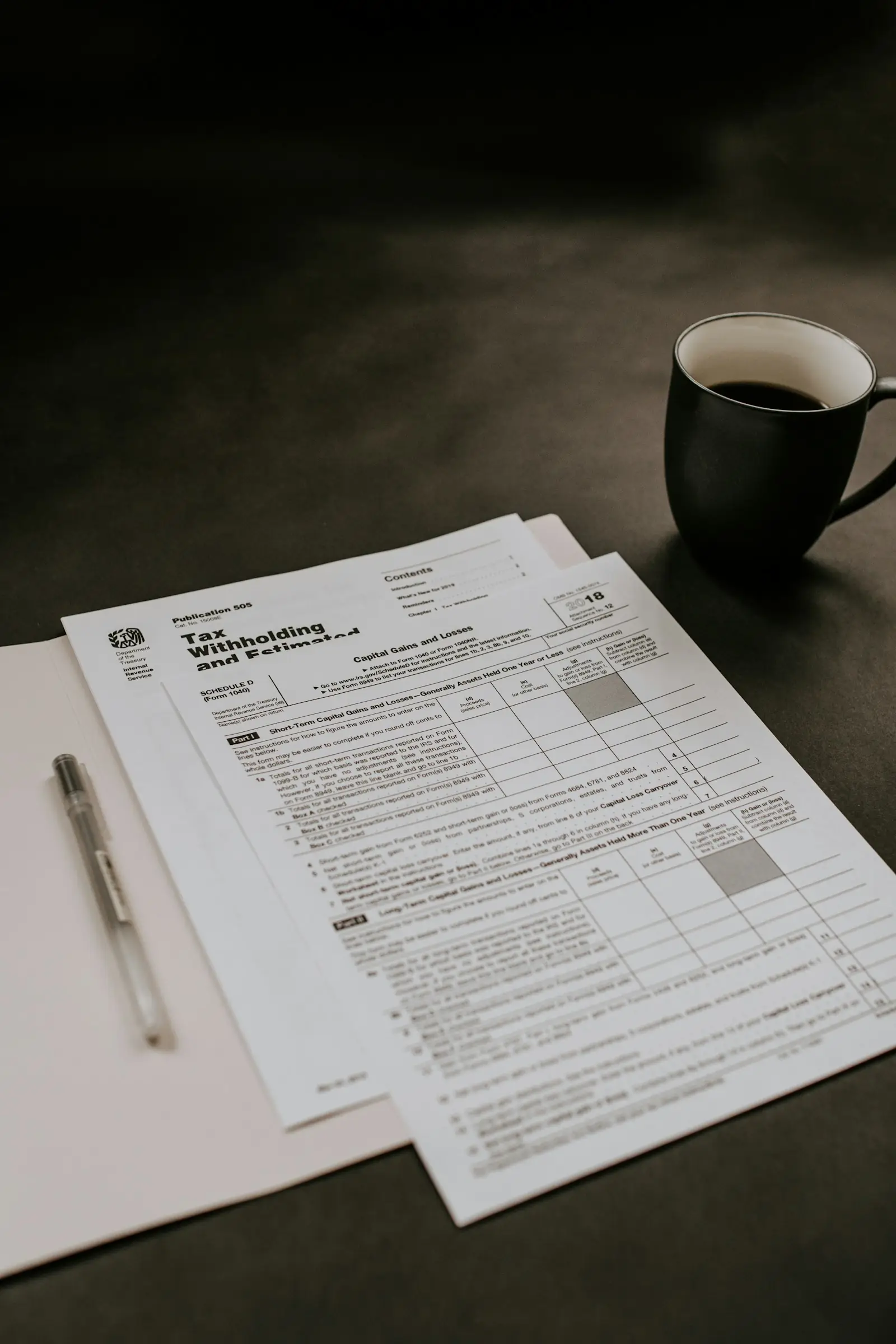
The SBA 7(a) loan is the most popular small business loan in America, and for good reason. With loan amounts up to $5 million, repayment terms as long as 25 years, and interest rates that are typically 2-4 percentage points below conventional business loans, it's the gold standard for small business financing.
But it has a reputation for being slow, paperwork-heavy, and frustrating. After helping hundreds of business owners through the SBA process, I can tell you the reputation is half-deserved. The process IS rigorous. But once you understand what the SBA is actually evaluating, qualifying becomes much less mysterious.
What is an SBA 7(a) loan, in plain English?
The Small Business Administration doesn't make loans directly. Instead, the SBA guarantees a portion of loans made by private lenders, typically banks and SBA-approved non-bank lenders. That guarantee (usually 75-85% of the loan amount) reduces the lender's risk, which lets them offer better terms than they could on a conventional loan. The program details, including current guarantee percentages and eligible uses, live on the SBA's official 7(a) loan program page.
The 7(a) program is the SBA's flagship. It can be used for almost any business purpose: working capital, equipment purchases, real estate, refinancing existing debt, or buying another business. That flexibility is what makes it different from more specialized programs like the SBA 504 (which is restricted to fixed assets and real estate).
The five things SBA lenders actually evaluate
Forget the marketing checklists. Here's what's actually getting underwritten:
1. Cash flow. The single biggest factor. SBA lenders want to see that your business generates enough cash to cover the proposed loan payment with comfortable margin, typically a debt service coverage ratio (DSCR) of at least 1.15x, often 1.25x or higher. They calculate this using your tax returns and interim financials, not your projections.
2. Personal credit. The SBA requires owners with 20% or more equity to provide personal guarantees, and lenders will pull personal credit on each guarantor. Most SBA lenders look for a personal credit score of 680 or higher. A few will go to 650, but you'll see worse rates and more friction.
3. Collateral. The SBA doesn't require collateral, but most lenders do, to the extent it's available. If you have business assets (equipment, real estate, inventory) or personal assets (home equity, investment accounts), expect the lender to take a security interest. Lack of collateral isn't disqualifying, but it changes the conversation.
4. Time in business. Most SBA lenders want at least two years of operating history. There are exceptions for SBA Express loans and for strong borrowers, but if you're under two years, your odds drop significantly.
5. Industry and use of funds. The SBA excludes certain industries (gambling, adult entertainment, lending itself, speculative real estate). Beyond that, lenders evaluate whether your industry is currently in favor. Restaurants and hotels, for example, get extra scrutiny after the disruptions of the early 2020s.
The documents you'll actually need
I'll be direct: SBA loans require more documentation than any other small business loan product. The underlying rules are spelled out in SBA SOP 50 10, the standard operating procedure that governs how SBA lenders underwrite and document 7(a) loans. Here's the standard package:
- Three years of business tax returns
- Three years of personal tax returns for each 20%+ owner
- Year-to-date profit and loss statement
- Year-to-date balance sheet
- Personal financial statement for each guarantor (SBA Form 413)
- Business debt schedule
- Articles of incorporation, operating agreement, or partnership agreement
- Business licenses and permits
- If buying a business: purchase agreement, target's three years of tax returns and financials
- If buying real estate: purchase contract, environmental reports, appraisal
Most SBA loan applications die in the documentation phase. Not because the borrower didn't qualify, but because they got worn out and walked away. Have everything ready before you apply.
Realistic timelines
From application to funding, expect 45-90 days for a standard 7(a) loan. Some lenders are faster. SBA Preferred Lenders (PLP) have authority to approve loans without sending them to the SBA for review, which can shave 2-3 weeks off the timeline. SBA Express loans (under $500K) can close in 30-45 days.
Anyone promising "same-day SBA funding" is not telling you the truth. The SBA process is what it is. If you need money this week, an SBA loan isn't your product.
Common reasons applications get denied
In my experience, the top three reasons SBA applications get rejected are: insufficient cash flow to support the proposed payment, personal credit issues that surface during underwriting, and incomplete or sloppy documentation. The first two are about your business reality. The third is preventable.
When an SBA 7(a) is the right call
SBA 7(a) loans are best when you need a meaningful amount of capital ($150K+), you can wait 45-90 days, your business has at least two years of profitable operating history, and your personal credit is in good shape. For borrowers who fit that profile, you'll likely never find better terms anywhere else.
If you don't fit that profile (newer business, weaker credit, or you need money faster), there are other paths. Term loans, lines of credit, and revenue-based financing can all work. But none of them will beat an SBA 7(a) on rate or term length.
At TurboFunding, we'll tell you up front whether you're a strong SBA candidate or whether a different product will serve you better. The goal is to get you the right financing, not to push you into a loan type that doesn't fit.