
 TurboFunding.com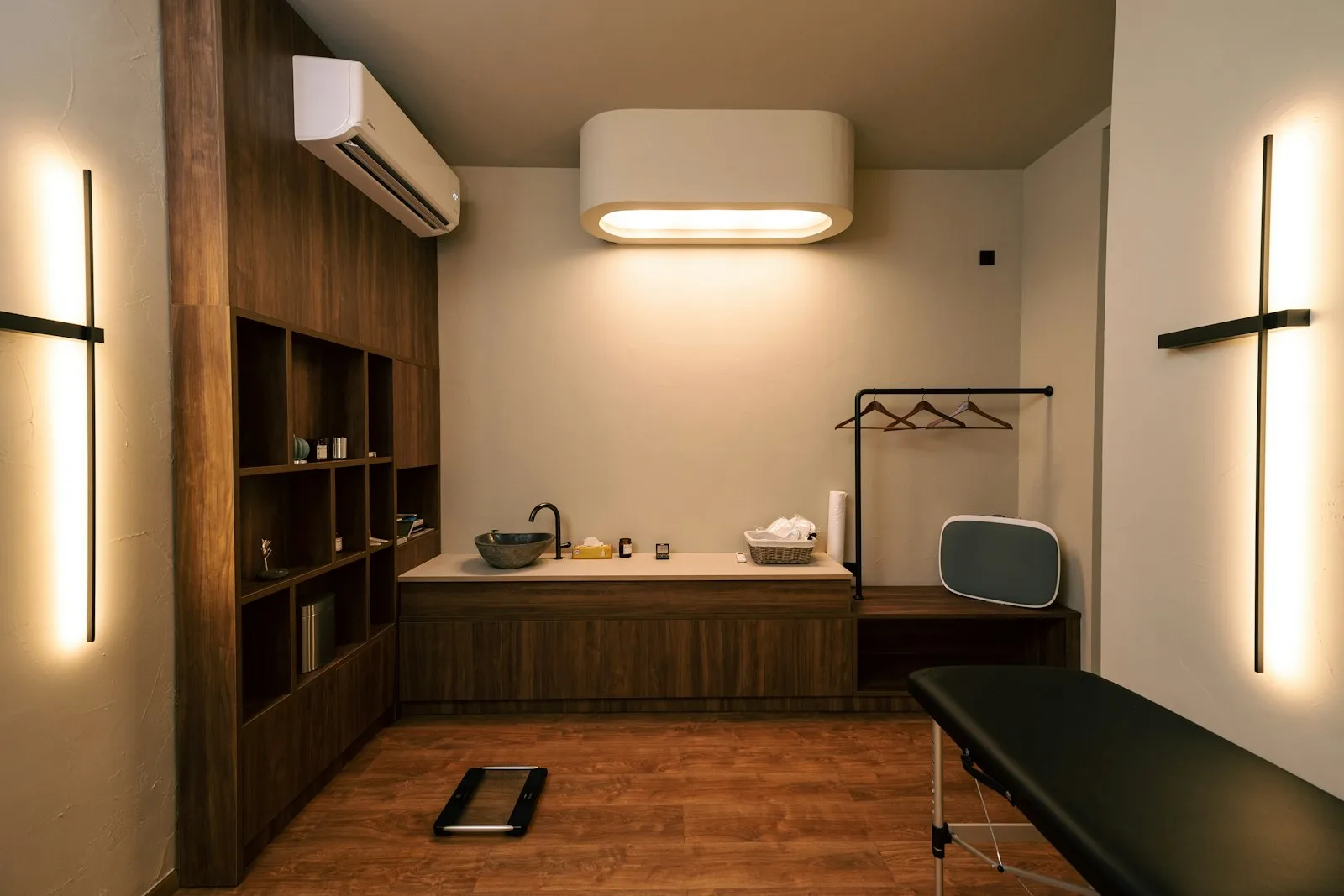
Medical spas are one of the fastest-growing categories in small business right now, and they are also one of the most capital-intensive. A single device can cost more than a year of rent, the build-out has to meet medical standards, and you need inventory on the shelf the day you open. If you are looking for a med spa business loan, the right answer is almost never a single product. It is a stack, sized to the specific things you are paying for.
This guide walks through how aesthetic practice financing actually gets structured by people who do it every week. We will cover the three categories where med spa owners spend real money, what underwriters look at, and the realistic costs and timelines for each piece.
Aesthetic devices and why equipment financing wins
The capital line item that hits hardest is the device. A picosecond laser, a body contouring system, an IPL platform, or an RF microneedling device will run anywhere from $80,000 to $250,000 new. Used or refurbished can knock 30-40% off, but new comes with the manufacturer warranty and treatment support that most clinical directors want.
Equipment financing is the right structure for almost every aesthetic device purchase, for one specific reason: the equipment itself secures the loan. The lender takes a first lien on the device, which means they price the loan based on the asset's expected residual value, not just your credit. A well-maintained aesthetic laser still holds 40-60% of its value at the 5-year mark, and lenders know this. That collateral position translates to lower rates, smaller down payments (often 0-10%), and faster approvals than an unsecured term loan.
The other reason equipment financing fits is term matching. Most devices have a 7-10 year useful life, and equipment financing terms typically run 3-7 years. You are paying for the asset over roughly the period you are generating revenue from it, which keeps monthly payments aligned with the cash flow the device produces. Our equipment financing program structures most aesthetic device loans at 36-72 months, and we can fund manufacturer invoices directly, which is what most reps prefer.
Pro tip from underwriting: get the device manufacturer's projected treatments-per-month and average ticket from your rep, in writing. When we present a deal to a lender, that one document moves the needle on rate more than almost anything else. For more on how the math works across lease, finance, and buy options, see our breakdown of equipment financing structures.
Build-out financing and where SBA 7(a) earns its keep
The other big spend is the physical space. A proper med spa build-out is not the same as fitting out a retail store. You need treatment rooms with appropriate sound and visual privacy, plumbing for hydration and washing stations, medical-grade HVAC if you are doing CoolSculpting or laser work, sharps disposal, refrigeration for product, and finishes that hold up to daily cleaning with hospital-grade disinfectants. Realistic build-out costs run $150 to $350 per square foot for a clean, mid-tier finish. A 2,000 sq ft space lands between $300K and $700K.
This is where the SBA 7(a) loan becomes the obvious choice. SBA 7(a) can fund leasehold improvements, equipment, working capital, and even partner buyouts in a single loan up to $5 million, with terms up to 10 years for non-real-estate uses. The rate is typically 2-4 points below conventional, the monthly payment is lower because the term is longer, and you can roll your device purchases, build-out, and 6 months of operating capital into one closing. For owners building a second or third location, that consolidation is the difference between a workable monthly payment and one that strangles cash flow.
The trade-off is time. SBA 7(a) closings run 45-90 days, and the documentation list is long. If you are signing a lease with a hard build-out start date, you need to start the SBA process the same week you sign the LOI, not the week the contractor mobilizes. For the full qualification picture, our guide on how to qualify for an SBA 7(a) loan walks through exactly what underwriters look at. If you need to move faster than 45 days, a bridge loan can cover the gap while the SBA 7(a) closes behind it.
For owners buying the building, SBA 504 is a separate conversation worth having. It is built specifically for owner-occupied real estate and heavy fixed assets, with a 20-25 year amortization. Our SBA 504 page covers when 504 beats 7(a) for the real estate piece.
Memberships, packages, and why they change your loan rate
Here is the part most med spa owners do not realize about underwriting: your revenue model matters as much as your revenue number. A spa doing $80K a month in pure walk-in traffic looks very different to a lender than a spa doing $80K a month with $35K of that coming from membership ACH pulls and prepaid package deferred revenue.
Why? Predictability. Recurring revenue smooths out the seasonal dips that hit aesthetic practices in January and late summer. When an underwriter pulls your bank statements (and they always do, see our piece on how lenders read bank statements), what they want to see is a stable base of deposits that does not crater in slow months. Memberships do exactly that. A $199/month skincare membership with 200 active members puts $39,800 of guaranteed deposits in your account every month before a single new patient walks in.
Concretely, here is what we see in our deal flow. A med spa with no recurring revenue and $1M in annual sales typically prices into MCA territory or a higher-rate term loan, with rates often well into the 20s. The same spa with $400K of that $1M coming from memberships and prepaid packages frequently qualifies for bank-rate term loans in the low-to-mid teens, and is a real SBA 7(a) candidate at 2 years in business. That is a five-figure-per-year difference in interest cost on the same loan amount.
If you are pre-launch or in your first 12 months, this is the single highest-leverage thing you can build into your business model. Price your most repeatable services (facials, hydrafacials, skincare, maintenance Botox) into memberships from day one, even if you only have a handful of members at first. The structure compounds.
How TurboFunding Helps
TurboFunding has funded medical spas at every stage, from first-location startups to multi-state groups buying their fourth and fifth devices. We size the right stack to your specific situation: equipment financing for the laser or body contouring system, SBA 7(a) or a term loan for the build-out, and a business line of credit for inventory and seasonal swings on neurotoxins and fillers. We fund from $10K to $5M, accept 550+ FICO on revenue-based products, and offer same-day funding for working capital needs. Our 3-minute application uses a soft credit pull, so checking your rate has no impact on your score. Find out More.
Frequently Asked Questions
Q. Can I finance a used or refurbished aesthetic laser?
A. Yes, with conditions. Most equipment lenders will finance certified pre-owned devices from the original manufacturer or an authorized reseller, typically up to 5-7 years old. Private-party purchases of used devices are harder to finance because the lender cannot verify condition, service history, or remaining warranty.
Q. I am pre-revenue and building out my first location. What can I qualify for?
A. Pre-revenue is the toughest stage. Your best paths are an SBA 7(a) with a strong personal guarantee and 20-30% equity injection, equipment financing on the device itself (the asset is the collateral), or working off personal savings and a home equity line for the build-out. We have funded first-location med spas, but it almost always requires significant owner skin in the game.
Q. How much working capital should I have on hand at opening?
A. Plan for 4-6 months of operating expenses, not 2-3. Med spas have a longer ramp than most retail because patient acquisition and treatment cadence take time to build. Most owners we work with underestimate marketing spend and overestimate how quickly memberships will scale.
Q. Will an MCA hurt my chances of getting an SBA loan later?
A. It can. SBA underwriters look at existing debt obligations, and daily ACH pulls from an MCA show up as a major cash flow drag on bank statements. We have refinanced MCAs into SBA 7(a) loans, but it is cleaner to size the right product the first time. See our guide on working capital vs. line of credit for the comparison.
Q. How fast can I actually get funded?
A. Equipment financing on a clean file: 2-5 business days. Working capital and term loans: same-day to 3 days for qualified applicants. SBA 7(a): 45-90 days, no shortcuts. Realistic same-day funding applies to working capital products, not SBA.
Medical spa financing is not one decision. It is three or four decisions stacked together, and getting the structure right at the start saves you tens of thousands of dollars over the life of the practice. The owners who do this well treat their lender as a long-term partner, not a one-time vendor. If you are opening your first location, expanding to your next, or adding a device that will change what you can offer, we can help you size the right stack. Apply in 3 minutes with a soft credit pull. Find out More.