
 TurboFunding.com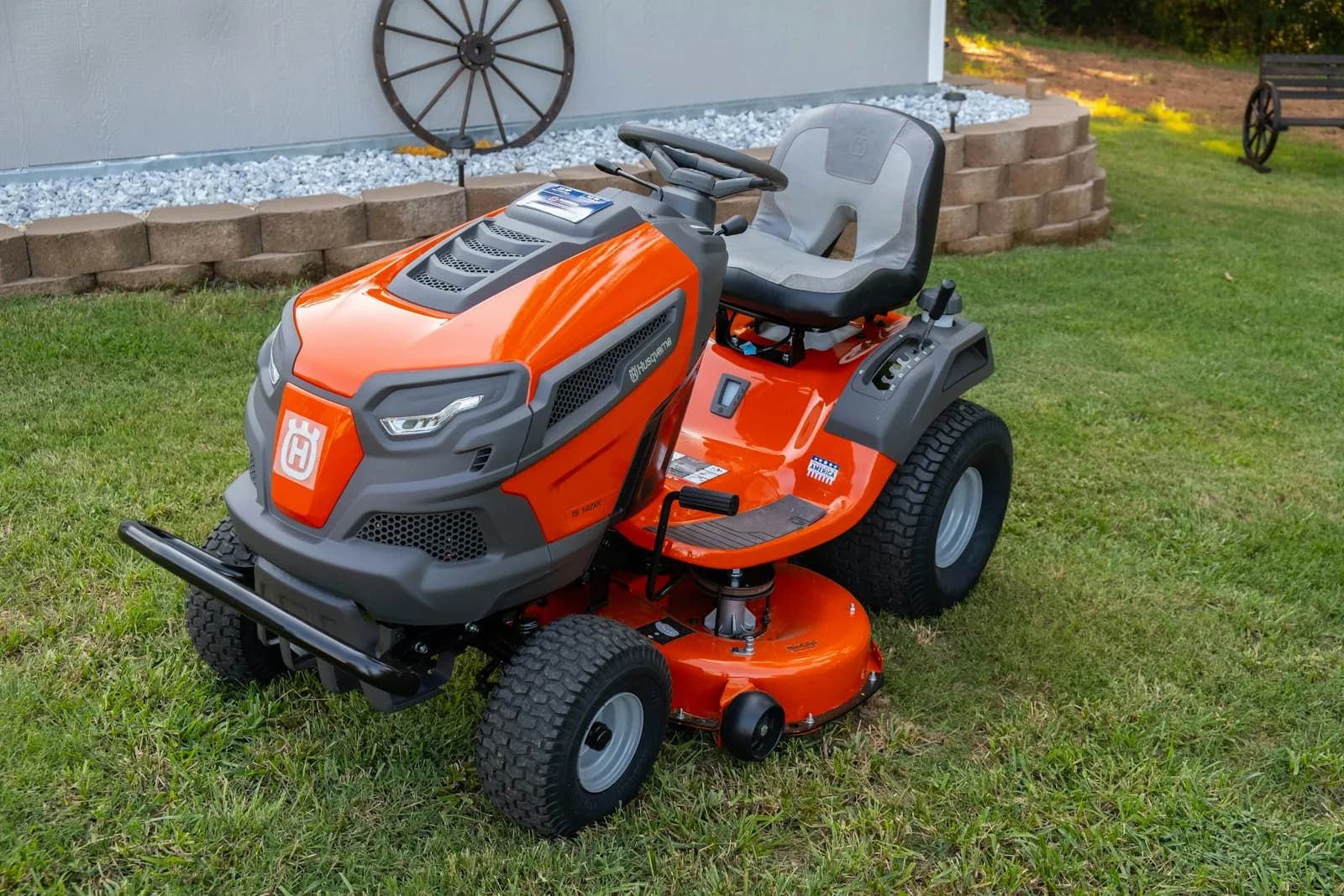
Landscaping is one of the cleanest examples of a seasonal cash flow business in the country. If you operate in the northeast, midwest, or mountain west, you already know the arc: April through October pays for the year, November through March drains the account. Snow and plow contracts dampen the drop in some markets, but they also add their own equipment burden and their own collection cycle. The owners who run profitable crews year after year are not luckier than the rest. They are funded smarter.
This guide walks through how to size a landscaping business loan against the seasonal arc, which structures actually fit each piece of the business, and the one timing trick that separates owners who pay 10% from owners who pay 25% for the same dollar.
The winter trough is predictable, so fund it with a line of credit
Most landscaping owners think of the off-season as a problem to survive. The smarter framing is that it is a known liability, sized in advance, and funded with the right product. A line of credit is built for exactly this pattern of use. You draw when you need cash, you pay interest only on what you draw, and you pay it back when revenue returns. For a business with revenue swinging 8-10x between peak and trough months, that flexibility is the whole point.
Here is the sizing rule of thumb we use with crews on the phone. Take your peak summer monthly operating cost, including payroll, fuel, mulch and material, insurance, vehicle maintenance, and your owner draw. Multiply by 1-2 months. That is your target line size. A crew doing $80K a month in summer with $55K of monthly operating cost probably wants a $50K to $150K business line of credit available before April. April is when uniforms get reordered, the truck fleet comes out of storage with inspection costs, mulch and fertilizer get pre-bought, and payroll ramps up two to three weeks before customer ACH catches up with the work you have already done.
A line of credit is structurally different from a term loan or a merchant cash advance for this use case. With a term loan you pay interest on the full principal from day one, which is wasteful when you only need the cash for six weeks of mobilization. With an MCA you are locked into a daily ACH pull that hits hardest in your slowest months. The line lets you match the borrow to the actual cash gap. For the full comparison between these two structures, our piece on working capital versus a business line of credit is worth ten minutes.
One more thing worth saying clearly. A line of credit is not a substitute for retained earnings. It is a smoothing tool that bridges the gap between the work you have done and the cash you have collected. Crews that draw on the line every winter and never pay it back to zero are slowly becoming term-loan customers at line-of-credit interest rates, which is the worst of both worlds.
Equipment financing builds equity in your fleet
The other place real money sits in a landscaping business is the equipment. Commercial zero-turn mowers run $8,000 to $18,000 each. A heavy walk-behind is $3,000 to $7,000. An F-250 or F-350 service truck with the right beefed up suspension and toolbox setup lands between $40,000 and $70,000. A dump trailer adds another $5,000 to $15,000. If you are running plow and salter rigs in the winter, add $8,000 to $15,000 per truck on top of that. A two-crew operation outfits itself with $150K to $400K of rolling equipment before it has cut a single lawn for revenue.
Equipment financing is the right answer for almost all of it, for the same reason it works for any asset-heavy business. The lender takes a first lien on the equipment, which means they underwrite the asset as much as your credit. That collateral position translates to lower rates, smaller down payments (often 0-10%), and 3 to 7 year terms that match the useful life of the equipment. Our equipment financing program funds new and used commercial mowers, trucks, trailers, and snow equipment, often directly to the dealer invoice.
The more important point, and the one most owners miss, is what financed equipment does to your balance sheet. A truck or mower you finance shows up as an owned asset, and the loan against it shows up as a liability. As you pay it down, equity in the fleet grows. That equity is real. Lenders look at it when they price your next deal, and it supports asset-based borrowing later when you want to scale. Leased equipment does not build any of that equity. The dealer keeps the asset on their books and you keep the payment on yours.
For a deeper dive on the lease versus finance versus buy decision, including how to think about tax treatment and obsolescence risk, see our breakdown on equipment financing structures. Sister industries face the same field-services capital pattern, and our post on electrical contractor financing covers a lot of the same ground from a different angle.
Pre-arranged credit in spring beats scrambling in the off-season
This is the timing trick that separates owners who pay bank-rate for their cash from owners who pay MCA rates. Lenders underwrite off your last 3 to 6 months of bank statements. If you apply for a line of credit or term loan in March, the statements they see are December, January, and February. Those are your worst months of the year. Deposits are low, the daily ending balance averages are weak, and the file looks shaky even if you are a strong operator on an annual basis.
Now run the same application in August or September. The statements are June and July, your two strongest months. Deposits are stacking, balances are healthy, and the same underwriter at the same lender prices you 5 to 10 points better. Same business. Same owner. Same FICO. Better pricing, because the file looks better at the moment the application is taken. Our piece on the best time of year to apply for a business loan goes deeper on this dynamic.
The play is to apply when your file looks best and draw when you need the cash. A line of credit you set up in August sits unused until April. You pay no interest on undrawn balance with most lenders. When mobilization season hits and you need to bridge six weeks of payroll, the credit is already there, already priced, already approved. You are not on the phone with a broker explaining why your February statements look the way they do.
For owners who also want longer-term capital, the same logic applies to term loans. Take the loan in October on the strength of your full peak season, deploy it through the winter on equipment purchases or buyouts, and start the next spring with the fleet ready and the cash already in the account.
How TurboFunding Helps
TurboFunding funds landscaping and seasonal businesses across the country, from solo operators with one truck and a trailer to multi-crew commercial maintenance companies running snow contracts through the winter. We size the right stack to the seasonal arc: a business line of credit for the spring mobilization and winter trough, equipment financing for the trucks, mowers, trailers, and plow rigs, and a term loan when you are buying out a competitor or stepping up to a larger commercial contract. We fund from $10K to $5M, accept 550+ FICO on revenue-based products, and require only $10K+ in monthly revenue and 6 months in business. The 3-minute application uses a soft credit pull, so checking your rate does not affect your score. Find out More.
Frequently Asked Questions
Q. Can I get a landscaping business loan if I only operate 7 months a year?
A. Yes. Lenders who specialize in small business understand seasonal patterns and will annualize your peak-season revenue rather than expecting flat monthly deposits. The key is showing strong peak-season months and a clean record of paying down winter borrowings when revenue returns. Crews with snow and plow contracts to dampen the trough often qualify for slightly better pricing.
Q. Should I finance my mowers or just buy them cash from peak-season profits?
A. Both work, but the cash purchase has a hidden cost. The $15,000 you spend on a mower in September is $15,000 not sitting in the account when you need to mobilize in April. Most owners we work with finance the equipment over 36-60 months and keep the cash for working capital. The interest cost is far cheaper than running short of cash in the spring.
Q. What does a typical landscaping line of credit cost?
A. Pricing depends on your time in business, FICO, and the size of the line, but a healthy crew with 2+ years in business and a 680+ FICO is generally in the 10-18% APR range on a line of credit. Newer or thinner files price higher. The right framing is the cost of the draw, not the cost of the line, since you pay interest only on what you actually use.
Q. I am thinking about a merchant cash advance to get through March. Should I?
A. Usually no. MCAs are priced for businesses that have a true daily revenue stream to support daily ACH pulls. Landscaping in March does not have that stream. You will be paying the highest cost capital available at the exact moment your cash flow can least support it. Our post on MCA versus a business loan walks through when an MCA actually fits and when it does not.
Q. How fast can I actually get funded?
A. Lines of credit and working capital on a clean file fund in 1-3 business days. Equipment financing usually funds in 2-5 business days once the dealer invoice is in. SBA paths run longer. If you are reading this in February and you need cash by April, you have time to do it the right way.
The owners who run profitable landscaping crews year after year do not survive the off-season. They plan for it, fund it in advance, and use the slow months to position the fleet and the crew for the next peak. If you want to set up a line of credit before next spring, finance the truck or mower you have been putting off, or refinance equipment you bought on bad terms last year, we can size the right structure. Apply in 3 minutes with a soft credit pull. Find out More.