
 TurboFunding.com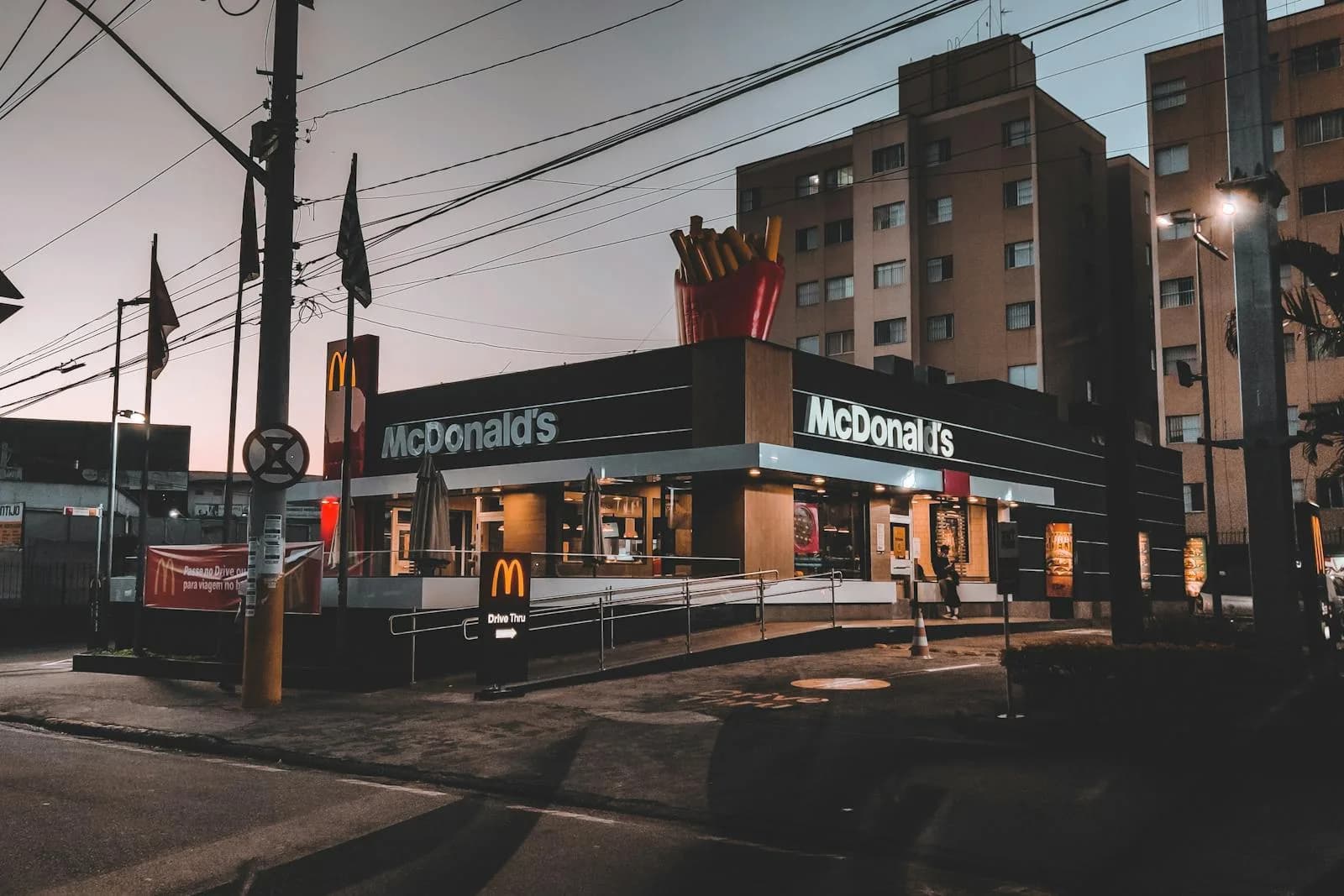
Buying a franchise is one of the most structured paths to business ownership available today. You get a proven brand, an established operating system, and training support from day one. But that structure comes with a price tag, often ranging from $100,000 to well over $1 million when you add up the franchise fee, real estate, build-out, equipment, and the working capital cushion you need to survive the first several months. Few buyers write a check for the full amount out of pocket, which is why franchise financing exists as its own category within small business lending.
This guide breaks down the main financing options available when you're purchasing a franchise, explains how lenders evaluate franchise deals differently from independent business loans, and outlines what you need to prepare before you apply. Whether you're looking at a quick-service restaurant, a home services brand, or a fitness studio, the fundamentals of financing the purchase follow the same playbook.
SBA 7(a) Loans: The Standard for Franchise Financing
The Small Business Administration 7(a) loan programis the single most widely used financing tool for franchise purchases in the United States. It allows borrowers to finance up to $5 million at interest rates tied to the prime rate, with repayment terms of up to 10 years for working capital and equipment and up to 25 years for real estate. Because SBA loans are partially guaranteed by the federal government, lenders can approve deals they wouldn't touch with a conventional loan, which matters when you're a first-time business owner with limited collateral.
The SBA maintains a Franchise Registry, sometimes called the SBA Franchise Directory, that lists brands whose franchise agreements have already been reviewed and pre-approved by the agency. If your target brand is on that list, underwriting moves significantly faster because the lender doesn't have to spend weeks reviewing the franchise disclosure document and operating agreement from scratch. Brands like McDonald's, Subway, and Anytime Fitness are on the directory, but thousands of smaller regional brands are listed as well.
To qualify for an SBA 7(a) franchise loan, most lenders want a personal credit score of at least 680, some relevant management or industry experience, a down payment of 10 to 20 percent of the total project cost, and a detailed business plan that shows how the unit will generate enough cash flow to service the debt. The SBA does not lend money directly. You apply through an SBA-approved lender, and the agency guarantees a portion of the loan, typically 75 to 85 percent, which reduces the lender's risk.
Franchisor Networks and Preferred Lender Programs
One of the most underused resources in franchise financing is the franchisor itself. Established franchise systems have a direct financial interest in helping qualified buyers get funded quickly. A buyer who can't close financing is a lost unit for the franchisor, so many brands have built formal relationships with lenders who specialize in their sector. These preferred lender programs can give you access to faster approvals, reduced documentation requirements, and occasionally better rates than you would find approaching a bank with no introduction.
When you receive your franchise disclosure document, Item 10 covers financing arrangements that the franchisor offers or facilitates. Some franchisors carry a portion of the franchise fee themselves on a seller-financed basis, letting you pay it back out of revenue over two to three years. Others maintain relationships with three to five lenders who have already underwritten dozens of units in the system and know exactly what the cash flow model looks like. These lenders are not necessarily the cheapest option, but they often close faster because they've seen the brand before.
Even if you don't end up using the franchisor's preferred lender, talking to them first gives you benchmark pricing. You learn what a deal looks like in their system, what documentation is typically required, and what the approval timeline looks like. That information makes you a better-prepared borrower when you shop alternative lenders.
Calculating Your Total Project Cost and Filling the Gaps
One of the most common mistakes first-time franchise buyers make is underestimating the true cost of getting open. The franchise fee listed in the disclosure document is only one line item. Your total project cost is the number that lenders care about, and it typically includes the initial franchise fee, real estate deposits or a lease build-out allowance, construction and renovation costs, furniture and fixtures, equipment and point-of-sale systems, initial inventory, grand opening marketing fees, and at least six months of operating expenses as a working capital reserve.
For a single fast-casual restaurant franchise, that total might look like this: $50,000 franchise fee, $200,000 in leasehold improvements, $80,000 in kitchen equipment, $25,000 in furniture and fixtures, $15,000 in initial inventory, and $75,000 in working capital reserve. That adds up to $445,000 before you factor in SBA guarantee fees or loan origination costs. Knowing that number precisely is what allows you to structure your financing package correctly.
SBA loans cover most of these categories, but they have limits. If you need equipment financing above what fits in the SBA loan, a dedicated equipment loan can cover specific assets at a lower rate because the equipment serves as collateral. If your working capital cushion needs to be larger than the SBA is willing to fund, a business line of credit can give you a draw facility you tap only when needed, which reduces your total interest cost. Stacking financing types is common in franchise deals and not a red flag for lenders, as long as your total debt service stays within a reasonable percentage of projected revenue. Most lenders want to see a debt service coverage ratio of at least 1.25, meaning your cash flow covers annual debt payments by 25 percent.
How TurboFunding Helps
TurboFunding works with franchise buyers who need funding that moves at the speed of a franchise deal. If you have a signed letter of intent, a target brand, and a clear picture of your project cost, you can complete our 3-minute application with a soft credit pull that won't affect your score. We work with businesses generating $10,000 or more in monthly revenue, with a minimum FICO around 550, and at least six months of operating history. For buyers who are purchasing a brand-new unit without existing revenue, we evaluate the deal on projections, the franchisor's unit economics data, and the borrower's personal financial strength. Funding ranges from $10,000 to $5 million, which covers everything from a small service franchise to a multi-unit restaurant deal.Find out More
Frequently Asked Questions
Q. What credit score do I need to finance a franchise purchase?
A. Most SBA lenders look for a personal credit score of 680 or higher for franchise loans. Some alternative lenders, including marketplace platforms, will work with scores as low as 550, particularly if you have strong collateral, a down payment above the minimum, or a well-established franchise brand with solid unit economics.
Q. Can I finance a franchise with no money down?
A. In most cases, no. SBA 7(a) loans require a down payment of 10 to 20 percent of the total project cost. Some franchisors offer seller financing on the franchise fee itself, which can reduce how much cash you need at closing, but lenders generally require you to have skin in the game. The exception is a veteran using an SBA Express loan for a qualifying purchase, where the equity injection requirement may be reduced.
Q. How long does it take to get a franchise loan approved?
A. SBA loan approval timelines typically run 30 to 90 days depending on lender workload and documentation completeness. If the brand is on the SBA Franchise Directory, the process is faster because the franchise agreement review is already done. Alternative and equipment loans can close in 5 to 15 business days. Having your business plan, personal financial statements, and franchise disclosure documents ready before you apply cuts weeks off the process.
Q. What if I want to buy an existing franchise unit, not open a new one?
A. Buying a resale franchise unit is often easier to finance than opening a new location because the unit has existing revenue history. Lenders can review actual tax returns and profit and loss statements instead of relying solely on projections. The total project cost is usually lower because build-out costs are already absorbed by the previous owner. SBA 7(a) loans work for resales just as they do for new openings.
Financing a franchise purchase is a multi-step process that rewards preparation. The buyers who close fastest are the ones who know their total project cost before talking to a lender, understand which brands are on the SBA Franchise Directory, and come to the conversation with a business plan that shows realistic cash flow projections. If you're still figuring out which financing path fits your deal, talking to a lender early in the process is the fastest way to get clarity. Find out More