
 TurboFunding.com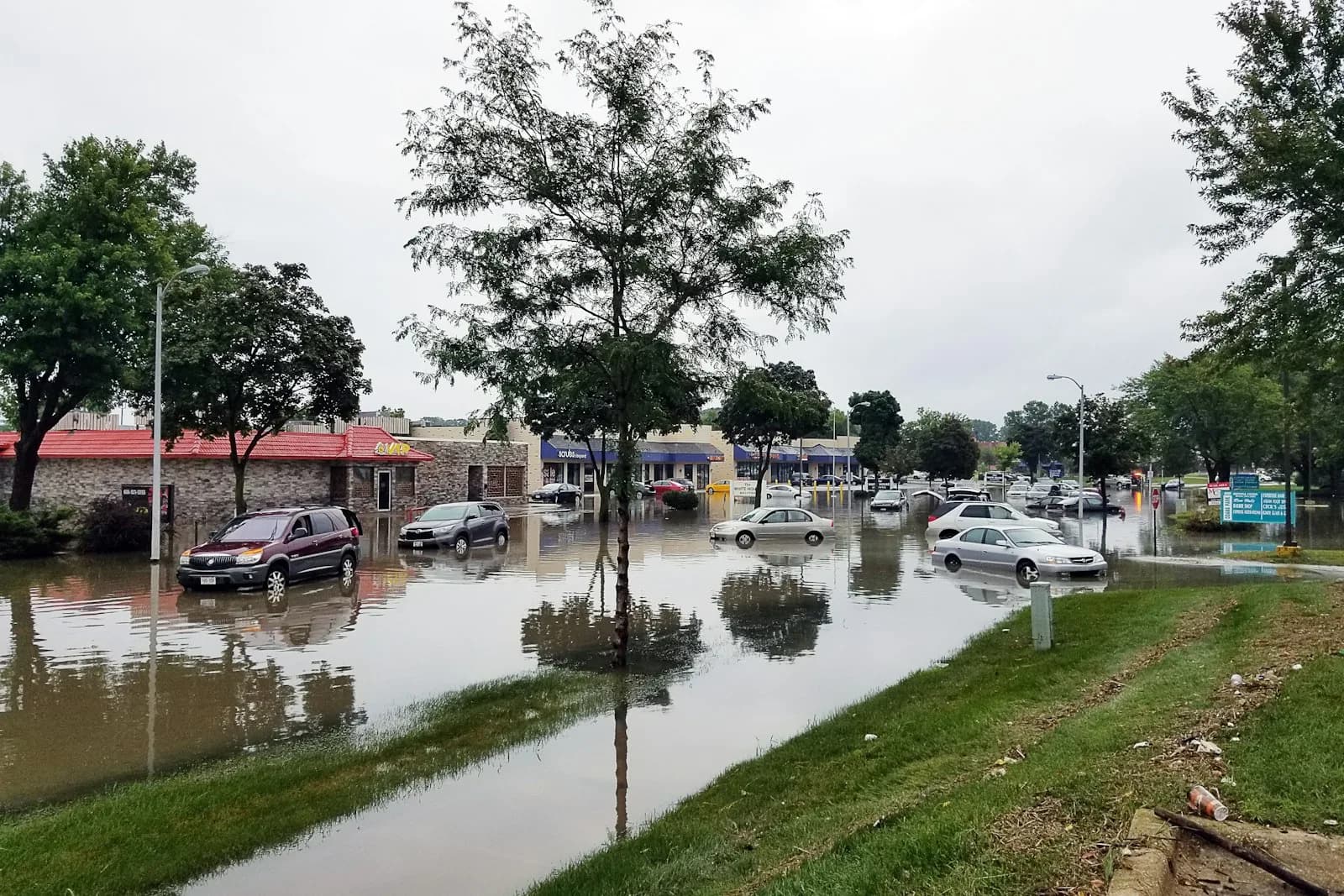
Climate-related damage is no longer a once-in-a-generation event for small business owners. In 2026, storms, record heat waves, flooding, and wildfires are driving a surge in capital needs that range from emergency repairs to full operational overhauls. Businesses that once carried modest insurance coverage and a small reserve fund are finding that neither is adequate when a category-4 storm or a weeks-long heat dome disrupts operations, damages equipment, or drives away customers entirely.
Understanding the funding options available, and when to use each one, is now a practical business skill. This post covers the current landscape of climate-related capital needs for small and mid-size businesses, what SBA disaster programs look like in 2026, where insurance gaps are creating bridge-funding demand, and why climate-resilient capital investments are increasingly worth financing.
SBA Disaster Loans in 2026: Record Demand and What to Expect
The SBA's Office of Disaster Recovery and Resilience has processed a record volume of disaster loan applications in 2026, reflecting a string of major presidentially declared disaster events across the Gulf Coast, Southeast, Southwest, and parts of the Midwest. Declared disasters trigger the SBA Economic Injury Disaster Loan (EIDL) program, which offers low-interest loans up to $2 million for affected small businesses. Physical damage loans, a separate category, cover repair and replacement of real property and equipment.
The appeal of SBA disaster loans is the interest rate, which for small businesses typically runs between 4% and 8%, well below conventional financing. The challenge is timing. Application processing can stretch from six weeks to several months during high-volume disaster periods. For a restaurant that lost its walk-in cooler, a landscaper whose trailer and equipment washed away, or a retail shop with a flooded sales floor, waiting two months for loan approval is not a realistic recovery timeline.
Businesses that want to pursue SBA disaster loans should apply immediately after a declaration and in parallel pursue short-term bridge financing to cover immediate operating costs. The SBA loan, if approved, can then be used to pay down or replace the bridge. Keeping clean financial records and a current equipment inventory makes the SBA process faster and increases approval odds.
Insurance Gaps Are Growing, and Bridge Funding Is Filling Them
The property and casualty insurance market has contracted sharply in high-risk geographies. In 2026, multiple national carriers have exited California, Florida, Louisiana, and parts of Texas, leaving business owners with either bare-bones state-backed coverage or dramatically higher premiums on private policies. Even businesses that do carry coverage are running into deductibles of $25,000 to $100,000 or more on wind and flood claims, plus claim resolution timelines that routinely exceed 90 to 180 days.
The practical result is a funding gap that sits between the moment damage occurs and the moment insurance actually pays out. A flooring company that loses its showroom to a burst pipe might carry $300,000 in coverage but face a $50,000 deductible and a 120-day claims process. The business still owes rent, payroll, and supplier invoices during that window. Short-term working capital loans and business lines of credit are now routinely used to bridge exactly this kind of gap.
Businesses in high-risk states should audit their coverage annually and model the realistic cost of a 90-day recovery period with no insurance payment. If that number exceeds available cash, establishing a revolving credit line before a weather event is far cheaper and faster than trying to qualify for financing in the middle of a disruption. A business that has already drawn on a line of credit is in a much stronger negotiating position with an insurer than one that is desperate for a fast payout.
Climate-Resilient Build-Outs Are Now a Fundable Capital Investment
A growing share of small business capital spending in 2026 is going toward what lenders and accountants now call climate-resilient infrastructure. This category includes standby generators and transfer switches, commercial-grade HVAC upgrades that handle extreme heat, flood barriers and water-resistant finishes, roof reinforcement for wind and hail, and fire-resistant building materials in wildfire zones. These are no longer niche projects. For businesses in affected geographies, they are competitive necessities.
A restaurant that can stay open during a multi-day power outage because it has a propane generator and a well-insulated walk-in unit will outperform competitors that shutter. A distribution business that installs a rooftop solar array with battery backup can continue warehouse operations when the grid fails. A dental practice with a whole-building surge protection system avoids the equipment replacement cost that others face after a lightning strike. The capital expenditures are real, often running $20,000 to $200,000 depending on business size, but so are the returns.
Equipment financing and term loans are the most common vehicles for climate-resilient capex. Equipment financing structures the loan around the asset itself, which means approval is often tied to the value of what is being installed rather than exclusively to business cash flow. Term loans provide flexibility when the project spans multiple asset types. Some utility and municipal programs also offer rebates on qualifying efficiency or resilience upgrades, which can reduce the total financed amount. Business owners should check state energy office websites and local utility portals before finalizing a financing plan.
How TurboFunding Helps
TurboFunding works with small businesses navigating climate-related capital needs, whether that means bridge financing while an insurance claim resolves, emergency working capital after a storm, or a term loan to fund a generator or flood mitigation project. Funding ranges from $10,000 to $5 million, with a 3-minute application that uses a soft credit pull only. Businesses with 550 or higher FICO, at least $10,000 in monthly revenue, and 6 or more months of operating history can qualify. Because TurboFunding connects borrowers to multiple lender options in one submission, business owners get competitive offers without filling out multiple separate applications. When a weather event or equipment failure puts operations at risk, speed matters. Find out More
Frequently Asked Questions
Q. Can I get a business loan for storm damage if I already applied for an SBA disaster loan?
A. Yes. Applying for an SBA disaster loan does not prevent you from pursuing other financing simultaneously. Many business owners use a short-term loan or line of credit to cover immediate costs while the SBA application is in process, then use the SBA funds to repay or refinance once approved.
Q. What credit score do I need to qualify for climate-related business financing?
A. Requirements vary by lender and product type. TurboFunding works with businesses at 550 FICO and above. Equipment financing for resilience upgrades often has more flexibility on credit score because the loan is secured by the installed asset.
Q. Are climate-resilient upgrades like generators or flood barriers tax-deductible?
A. In most cases, yes. Capital improvements to a business property are depreciable, and under current Section 179 rules many qualifying assets can be deducted in the year of purchase rather than depreciated over time. Consult your accountant to confirm treatment for your specific situation and geography.
Q. How long does it take to get approved for bridge financing while waiting on an insurance claim?
A. Approval timelines with alternative lenderstypically run one to three business days for working capital loans, compared to weeks or months with SBA or traditional banks. TurboFunding's application takes about three minutes and uses a soft pull, so it does not affect your credit score to find out what you qualify for.
Climate volatility is reshaping the financial planning calendar for small businesses in every region of the country. Whether you are dealing with the aftermath of a direct weather event, preparing your property for the next one, or managing the cash flow gap that comes while an insurer processes a claim, having a financing strategy in place before you need it is one of the most practical steps you can take. The businesses that recover fastest are typically the ones that had a credit line already established or a lender relationship already in place. Start exploring your options now, before the next storm season arrives. Find out More
Last updated: May 2026.